1988 Flannel

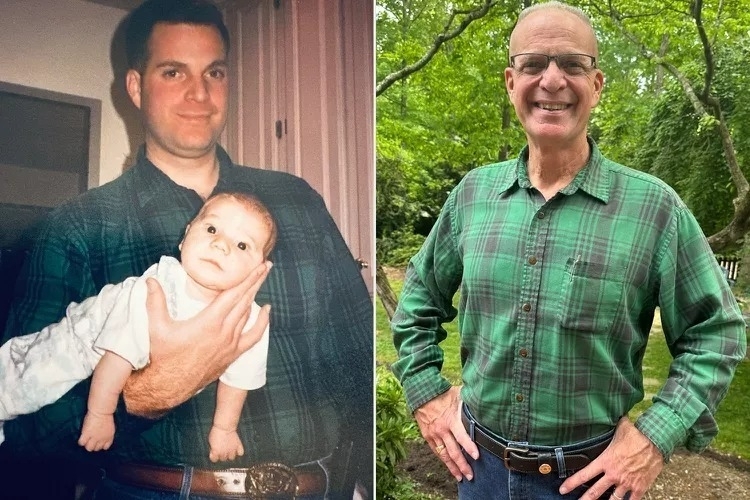
Daughter Realizes Dad Has Worn Same L.L.Bean Flannel Shirt Since 1988

I’m a recent convert to flannel. Like pickup trucks they do just look a bit silly in the UK. But the benefits outweigh that for me.

They’re so versatile. Lovely and warm in the autumn, often letting you go out without a jacket. And you can wear a t-shirt underneath and then unbutton the shirt if you get too hot. And in the winter they’re often thick enough that when paired with a jacket you are nice and toasty.

Flannel is also hardy and long lasting (though not as hardy as they once were I’m sure). I drunkenly fell off my bicycle last year wearing an Abercrombie & Fitch one. It has a few scuffs, but it survived very well indeed. And if I wasn’t wearing it my skin would have been covered in road rash.

Another reason I like this story is because it reminds me of the ‘capsule wardrobe’. The idea that you have a default outfit – or a few default outfits. Meaning you don’t spend a bunch of time working out what to wear each day.

I have too many clothes to have a ‘capsule’. But I would say I have a ‘uniform’ at work. I wear the same Cos fleece, Charles Twyitt trousers and Clark’s dessert boots each day.
They were talking about the “agri-food industry” on the radio. But all I could hear was the “angry food industry”.

People who put (Save for later) in their posts sure must think highly of what they have to say. I wish I had that sort of confidence.

fredbenenson on Threads:

Apple needs to ban notifications from delivery / service apps that are merely advertisements, or at least enforce differentiating between actual status updates and ads.

I am so SICK of getting DoorDash advertisements just because I need to have their notifications on for regular deliveries.

I totally agree. I try to remember to turn Uber Eats notifications on/off when I order. But I don’t always remember. And I shouldn’t have to remember.

Digital legacy

At least once a week I think about what’s going to happen to my websites once I die. Within a month or two they’ll probably disappear, which upsets me.

What can I do to avoid that? It shouldn’t be too difficult. All my sites are static, aside from Learnt.me which is put online via Obsidian Publish. But Learnt.me is probably the site I’d like to remain online the most after I die.

WordPress now offers their 100-Year Plan. But it’s $38,000.

NearlyFreeSpeech is pay-as-you-go. So I could conceivably top up my account with as much as I could afford and it should last a while (assuming they stay in business).

My current sites are largely on Amazon S3. So as long as there’s an active card to pay the $3-4 monthly pay it should keep working for many years.

But ideally my Will gives some instructions and some money for preserving my digital legacy. And one of my more tech-y friends could carry it out.

I don’t plan on dying any time soon. But it would be good to put a plan in place.

It’s a human rights violation for a company not to have any wi-fi signal in their toilets.

Small Sites Want Analytics Too

Like a lot of bloggers I have a small, but quiet audience. So I’m a fan of using analytics to see who’s visiting my site. It’s a delight to discover the various corners of the globe that have stumbled upon my writings.

However, most analytics tools don’t cater to this niche market. Google Analytics (GA) is the behemoth of tracking – it’s free but overkill, privacy-invading, and has a confusing web interface. Other choices are limited and often expensive, charging £10-£20/month, which isn’t justifiable for many small bloggers like myself.

As a result I simply haven’t used or cared about analytics for many years. The last time I regularly used one was when Mint was still alive.

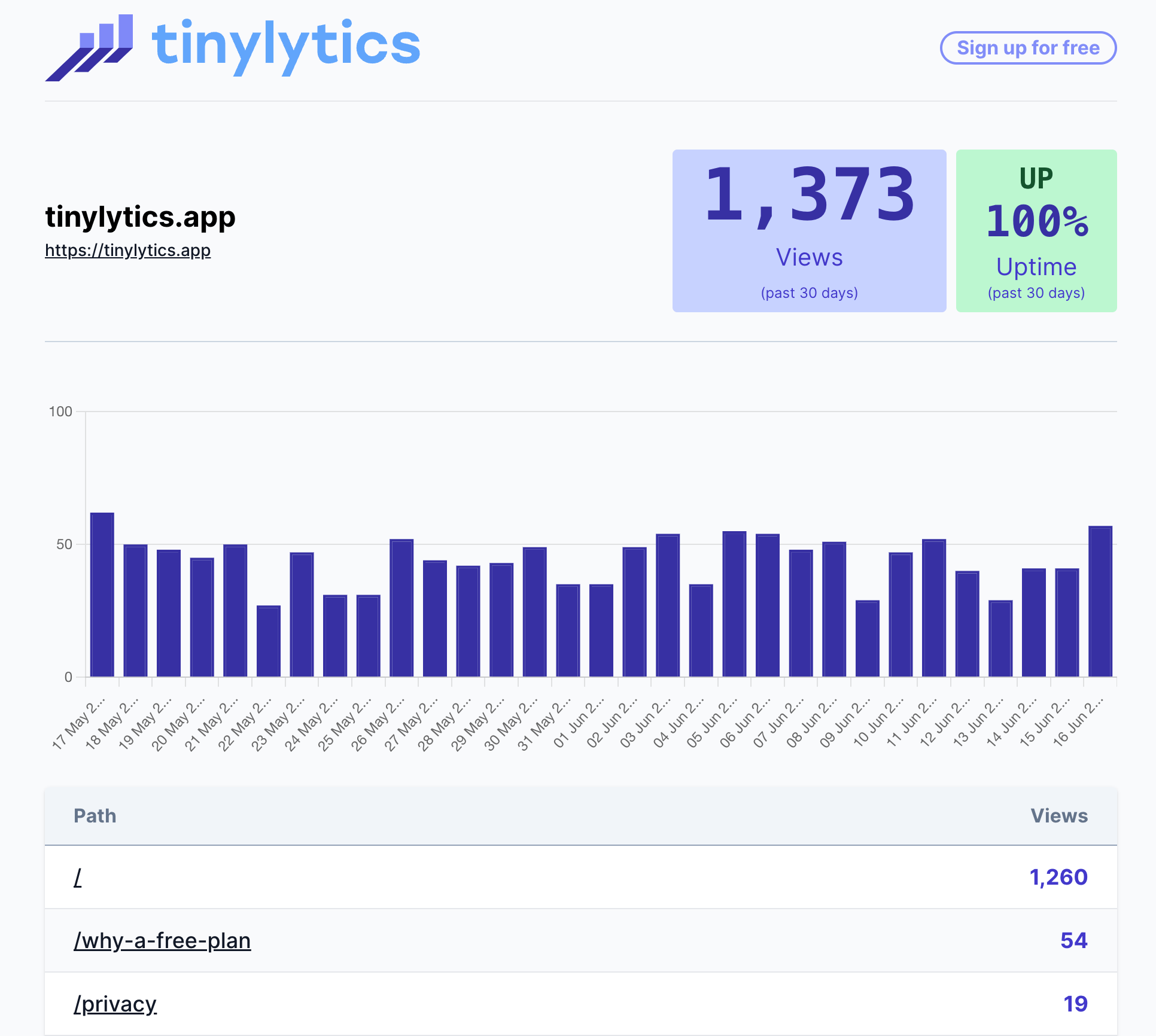
That’s why I was thrilled to discover Tinylytics. Their free plan offers 1,000 page hits/month, which is perfect for many bloggers. And if you need more, their paid plan is a very reasonable $5/month – a price I’d gladly pay.

And one of the best features is that you can track up to 5 sites on the free plan and unlimited sites on the paid plan. As a web tinkerer with multiple small sites, this is a game-changer for me.

Also I love the page that explains why they offer a free plan, as it pretty much sums up what I’ve been saying:

A lot of analytics software is too expensive. Period. Heck, I just started a small side project or a personal site and I don’t want to shell out $9 - $14 per month just for analytics that looks pretty.
[…]
There are free options from big providers, but guess what… they’re probably using your data to better meet their own needs and most likely advertisers.
[…]
Having a free plan, from someone that deeply cares, and from an individual, not a huge corporate or venture funded company, is the best start you can give yourself without worrying what will happen with your data. It sits on my server, and is backed up hourly to an offsite encrypted backup. That’s it. Oh and you won’t break the bank either. I think that’s a win win.

If you’re a small blogger looking for an affordable, privacy-focused, and user-friendly analytics solution, I highly recommend giving Tinylytics a try.